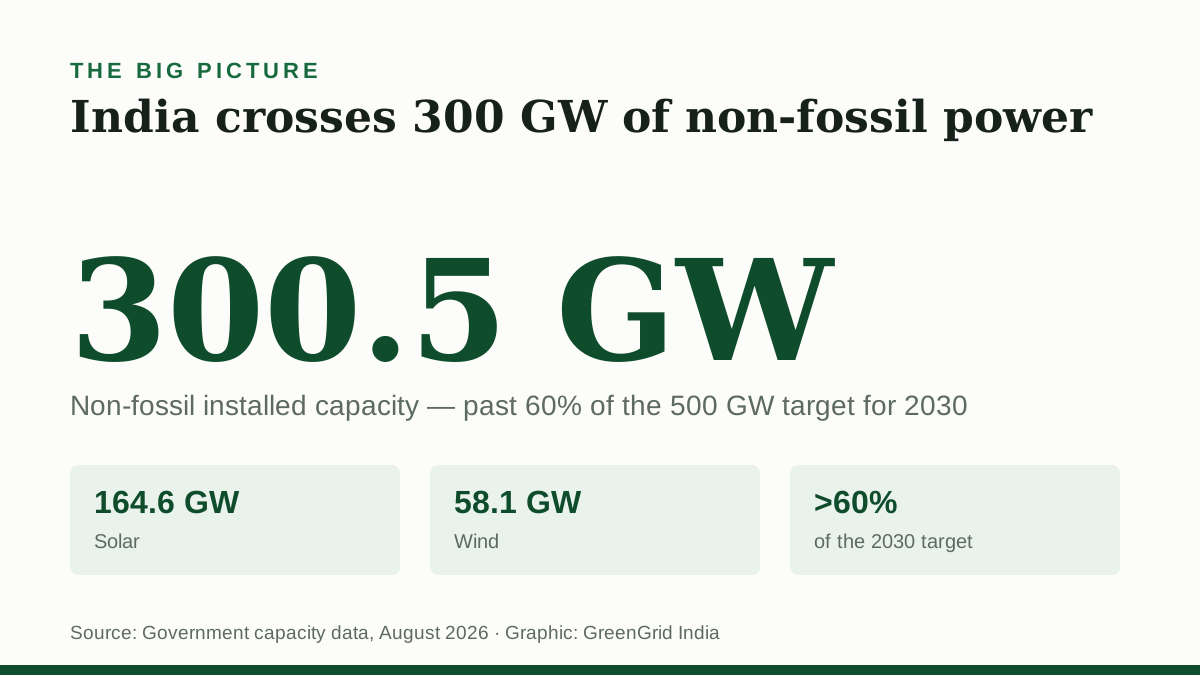
India crosses 300 GW of non-fossil capacity, past 60% of its 2030 target
Non-fossil installed capacity has reached 300.5 GW — more than 60% of the 500 GW target for 2030 — with solar alone at 164.6 GW and wind at 58.1 GW.
Tracking India’s Energy Transition
Tenders, auctions, regulation, budgets and market trends shaping the sector.
Non-fossil installed capacity has reached 300.5 GW — more than 60% of the 500 GW target for 2030 — with solar alone at 164.6 GW and wind at 58.1 GW.
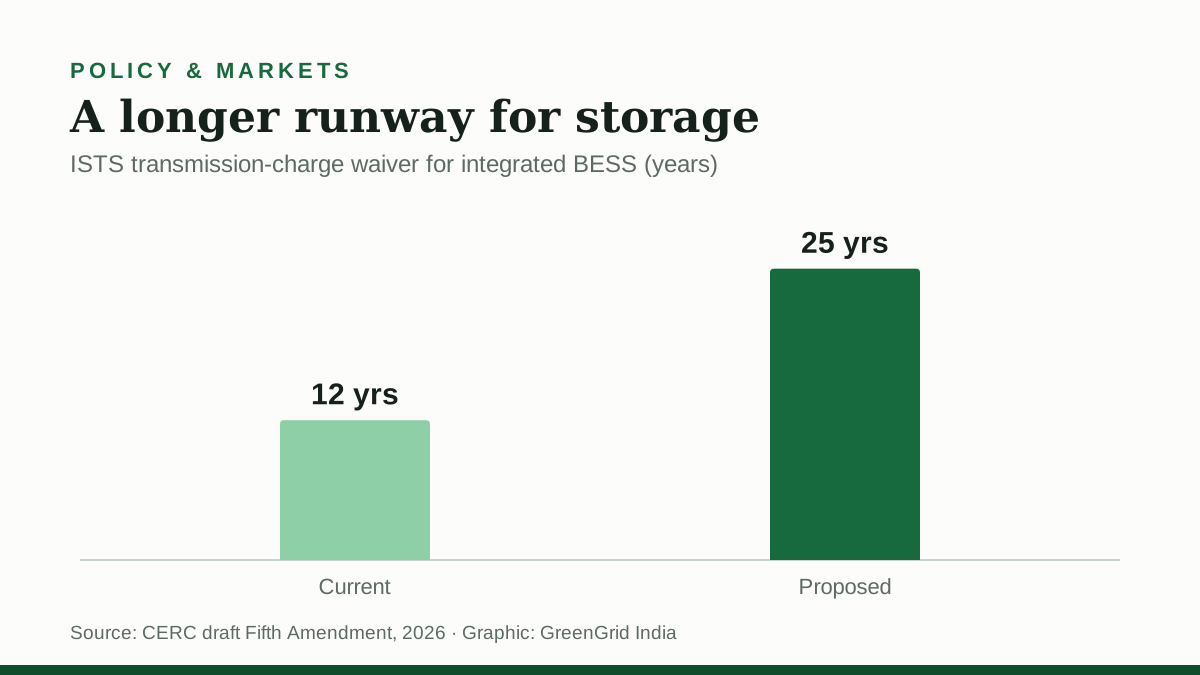
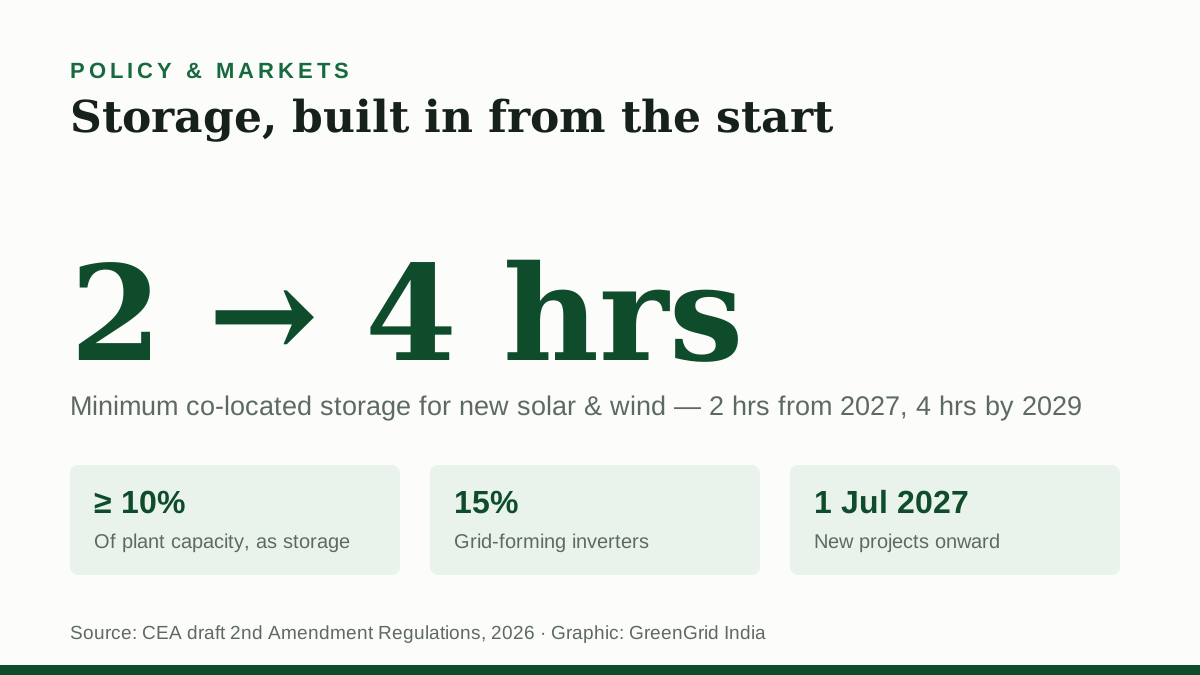
A draft amendment would more than double the ISTS charge waiver for batteries integrated with renewable projects — from 12 years to 25 — sharpening the economics of storage-backed clean power.
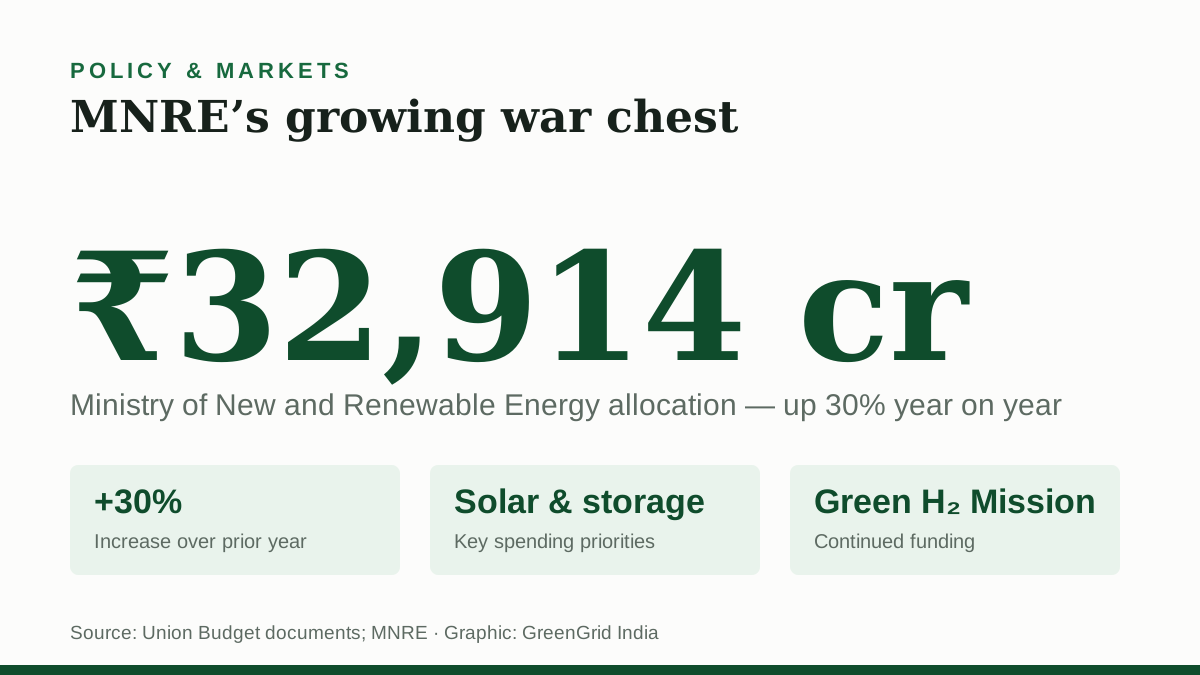
The renewable energy ministry’s allocation grew nearly a third, with solar schemes, grid storage, green energy corridors and the hydrogen mission taking the lion’s share.
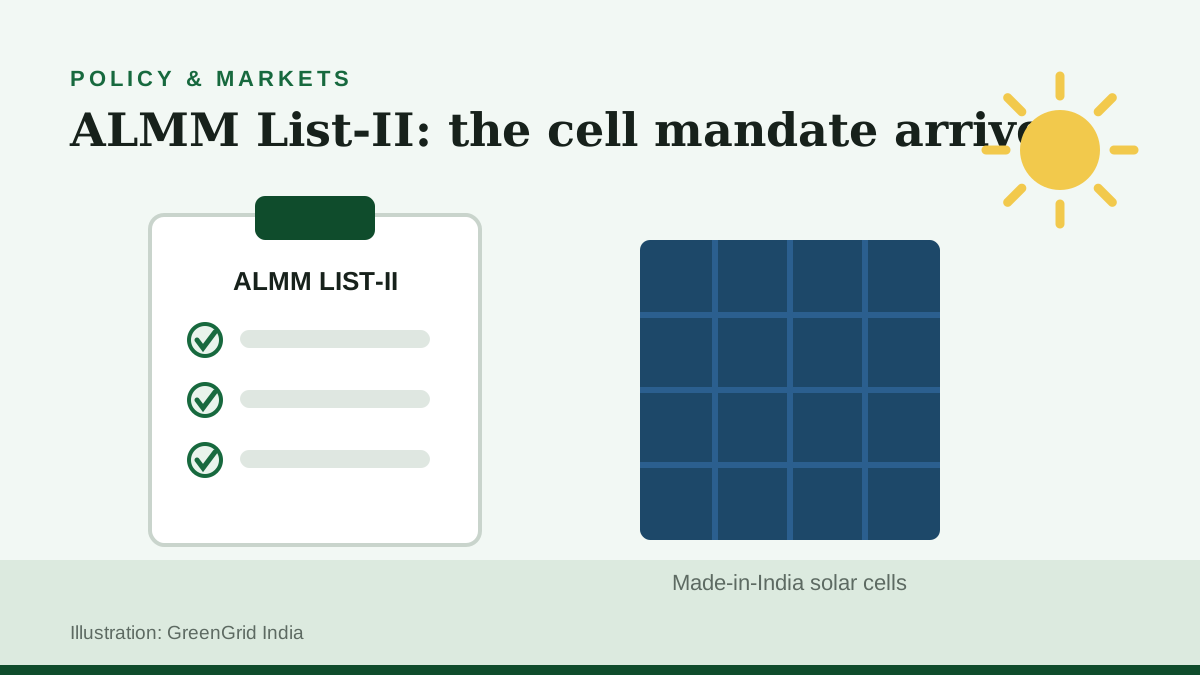
From June 2026, government-backed solar projects must source not just modules but also cells from approved domestic manufacturers. Here’s what the change does — and where it bites.
Renewable equipment, battery storage, green hydrogen and nuclear equipment are named priority sectors in Gujarat’s latest industrial policy — a bid to own the supply chain, not just the generation.
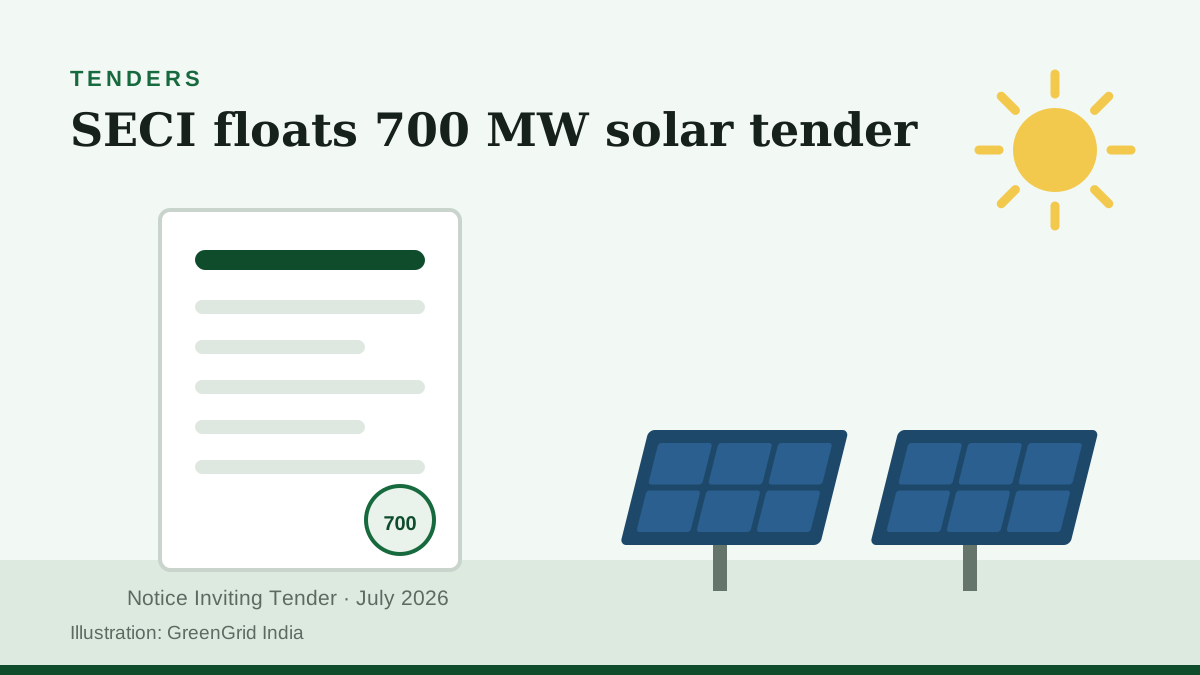
The Solar Energy Corporation of India has invited bids for 700 MW of inter-state transmission connected solar, to be built on a build-own-operate basis with 25-year PPAs.