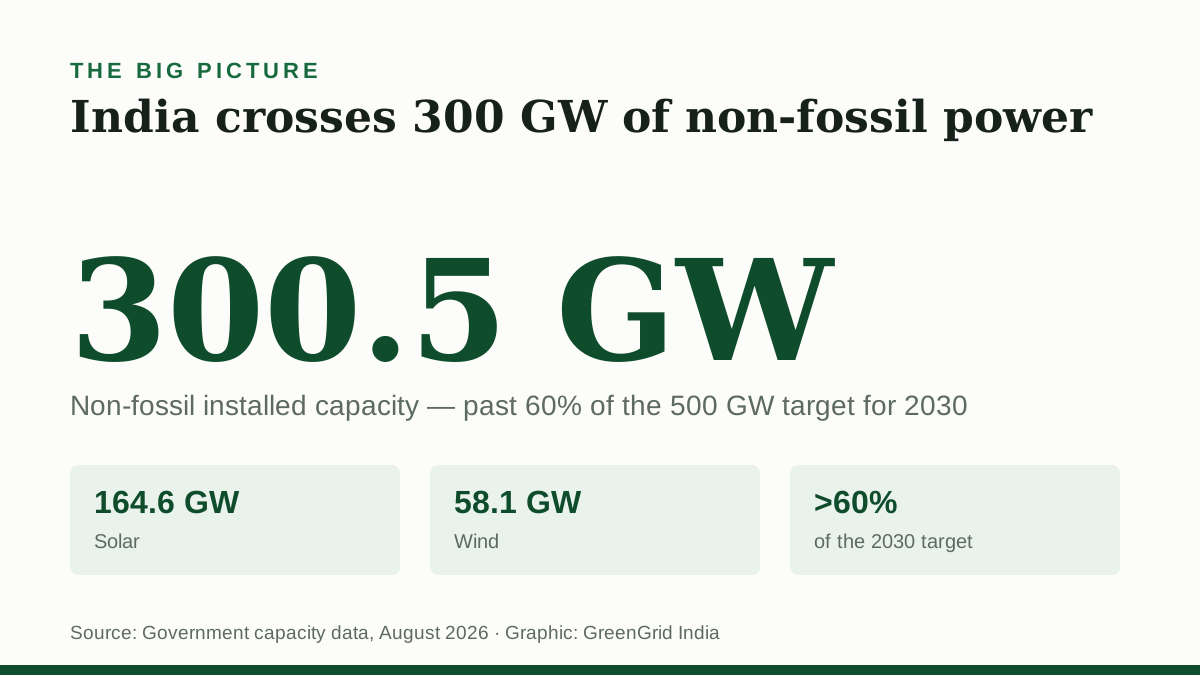
India has passed a symbolic and substantive threshold: its non-fossil-fuel installed electricity capacity has reached about 300.5 GW, taking the country beyond 60% of its 500 GW target for 2030.
Solar leads the portfolio by a wide margin at roughly 164.6 GW, followed by wind at about 58.1 GW, with large hydro, nuclear, bio-power and small hydro making up the balance. Just two months ago we noted the renewable fleet (including large hydro) sitting near 288 GW; the 300-plus figure reflects both continued solar commissioning and the way non-fossil capacity is now compounding month over month.
Why the milestone matters
Three points put the number in context.
The target is now in reach, not just on paper. Clearing 60% of the 2030 goal with more than four years to run implies the remaining ~200 GW needs annual additions in the 45–50 GW range — a pace India’s record first half of 2026 (about 29 GW of solar and wind) shows is achievable if it holds.
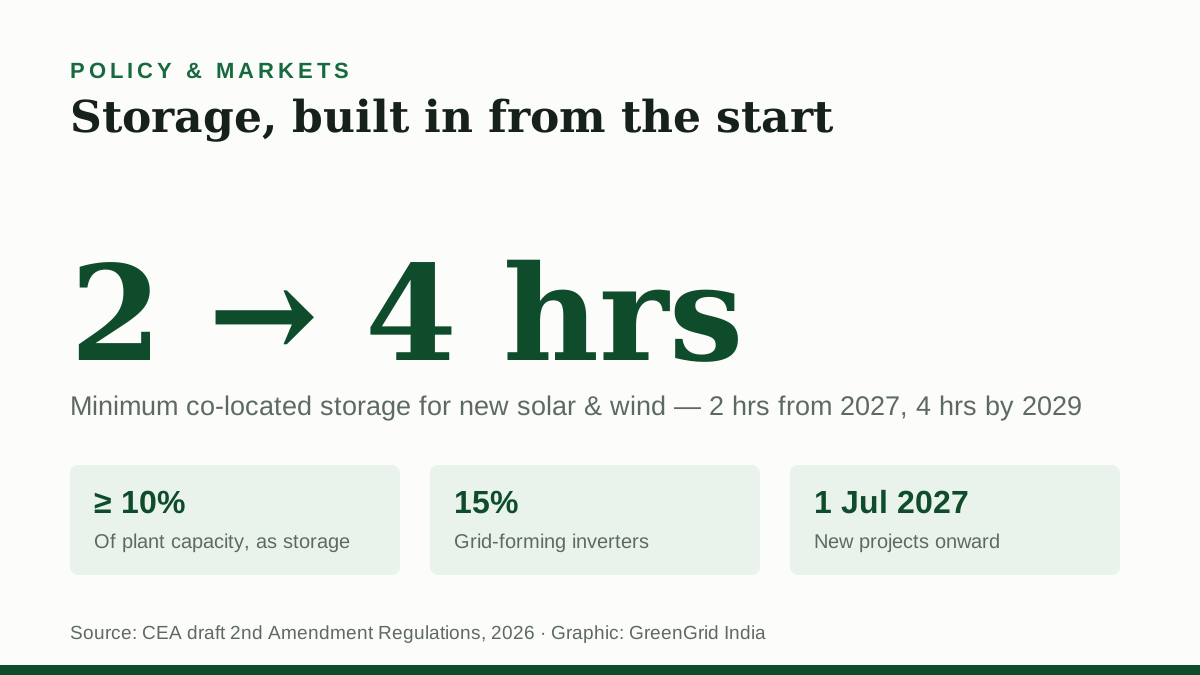
Capacity still isn’t generation. Because solar and wind run at lower capacity factors than thermal, non-fossil sources supply a smaller share of actual electricity generated than their 60%-of-target capacity share suggests. Closing that gap is the job of storage and firm-power procurement — which is exactly where this month’s tender and regulatory action is concentrated.
The mix is lopsided toward solar. With solar more than 2.5 times wind, the grid’s daily ramp challenge keeps sharpening. Every gigawatt of solar added without a corresponding firming resource pushes more weight onto batteries, hydro and demand flexibility in the evening peak.
What to watch next
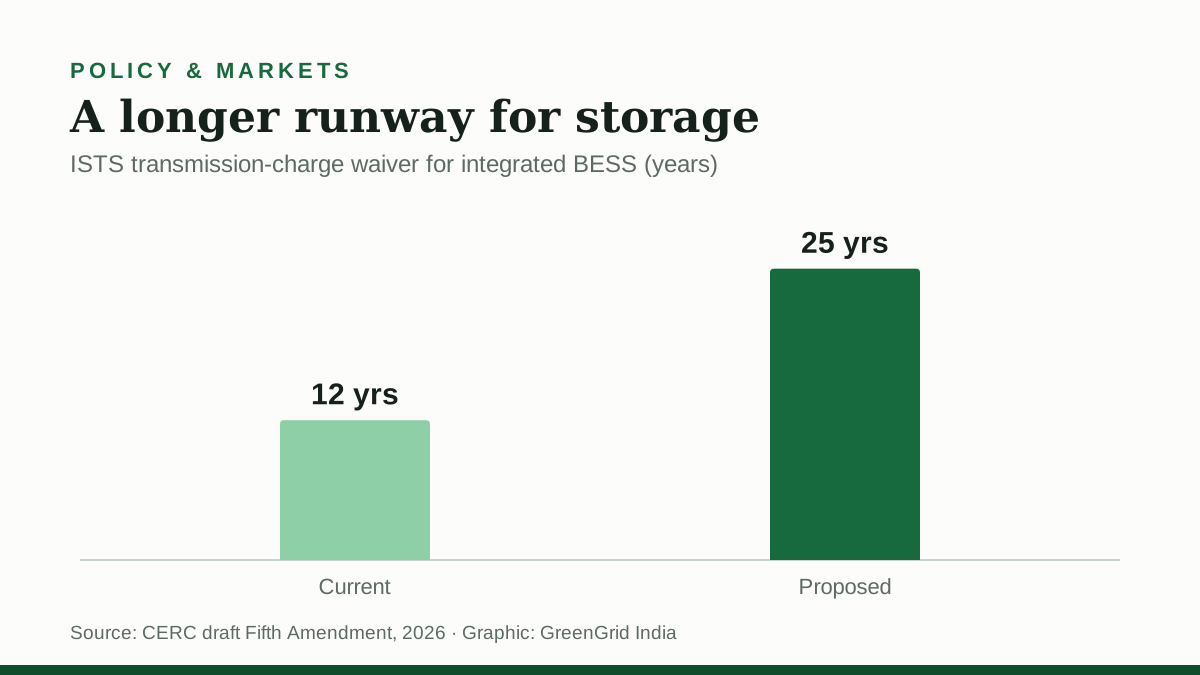
The near-term story is less about raw capacity and more about shape: round-the-clock and firm-dispatchable tenders, storage co-location mandates, and transmission-charge policy that rewards projects able to deliver at peak. India has proven it can build gigawatts. The 2030 endgame will be decided by how firmly those gigawatts can be delivered when demand is highest.