For a decade, the case against solar was never its daytime price — it was the evening. Coal’s defenders could always point to the hours after sunset and ask what a panel was worth then. Recent auction results suggest that argument is running out of hours.
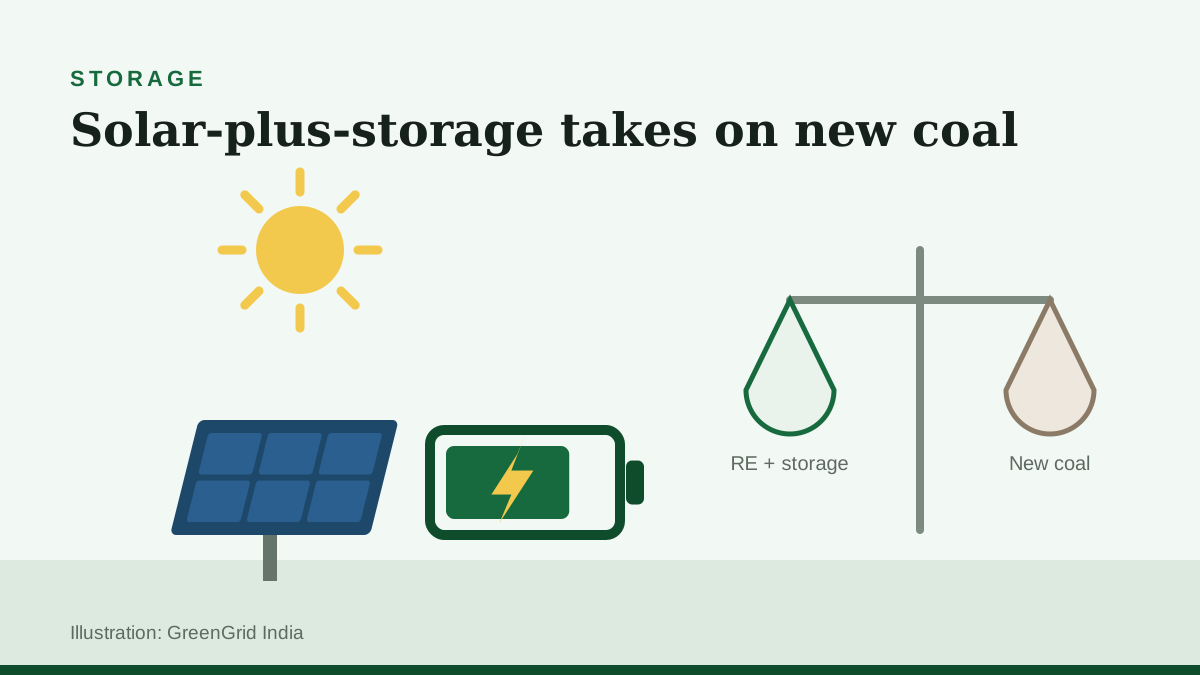
SECI’s solar-plus-storage tenders have been clearing at tariffs that analysts describe as competitive with electricity from newly built coal plants. Falling battery prices, fierce bidding and larger project scales have compressed the “firming premium” — the extra cost of making solar dispatchable — to the point where solar with several hours of storage can now credibly bid against greenfield thermal.
What’s driving the compression
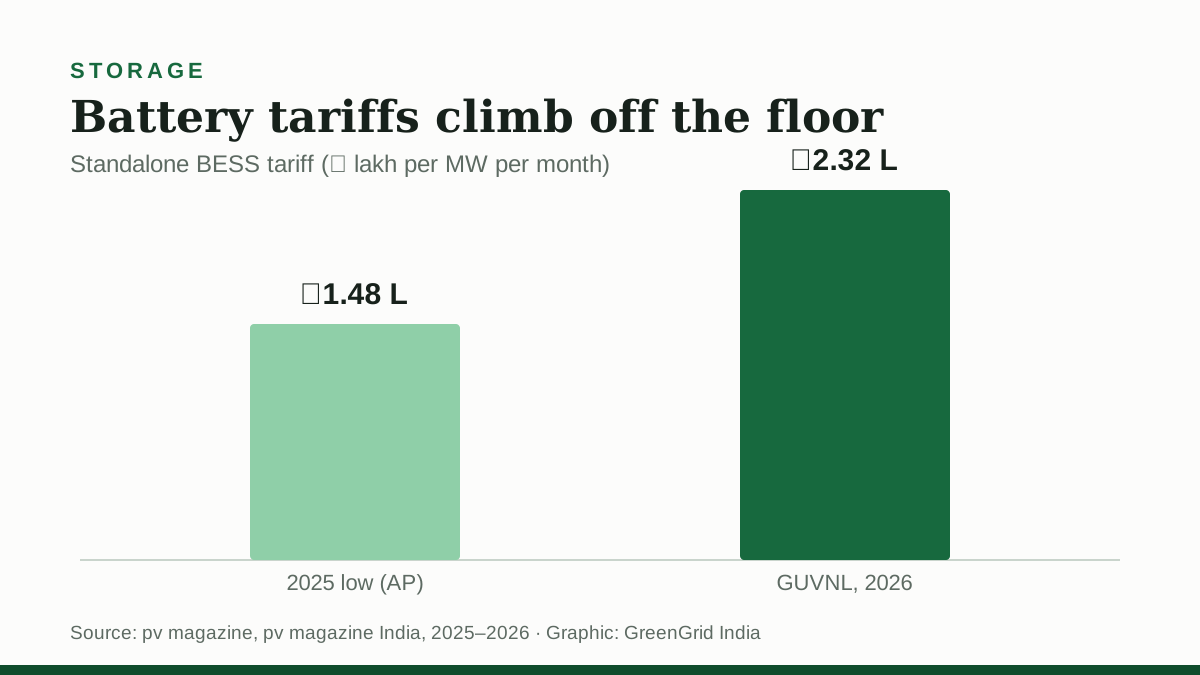
- Battery costs. Global cell prices fell steeply through 2024–25, and India’s auctions pass hardware deflation through almost immediately.
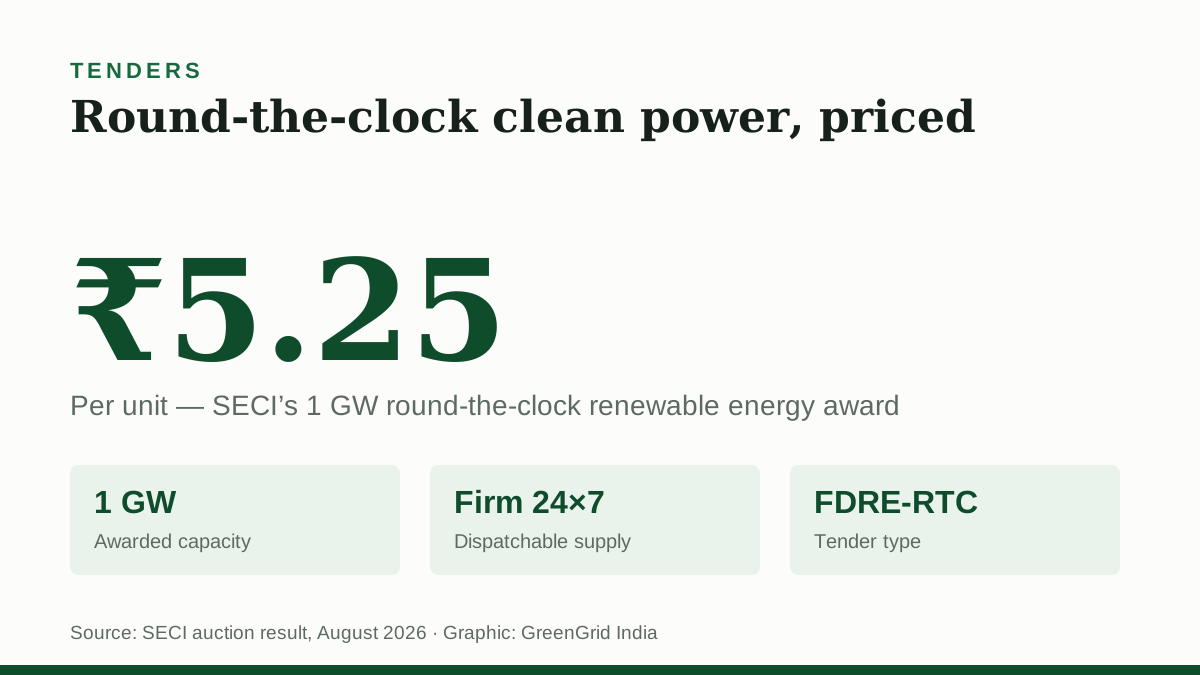
- Auction design. Firm and dispatchable renewable energy (FDRE) and assured-peak-supply formats let developers optimise a portfolio — solar, wind, batteries — against a delivery profile rather than overbuilding any single component.
- Scale. Storage tranches in the hundreds of megawatt-hours attract global suppliers and financing at terms unavailable to early pilots.
The caveats
Comparisons with coal deserve care. A solar-plus-storage plant meeting an evening peak profile is not identical to a baseload thermal unit, and coal plants bid with fuel-price and utilisation assumptions that can flatter or punish them. Storage bids also embed today’s exceptionally soft battery prices continuing — a supply-chain shock could reverse some of the gains.
But thresholds matter psychologically as much as financially. Once discoms can procure firm renewable power at thermal-adjacent tariffs, the rationale for new coal narrows to energy-security arguments — and India’s coal pipeline decisions in the next two years will show how much weight those still carry.