If 2024 and 2025 were the years India tendered battery storage, 2026 is the year the batteries actually showed up.
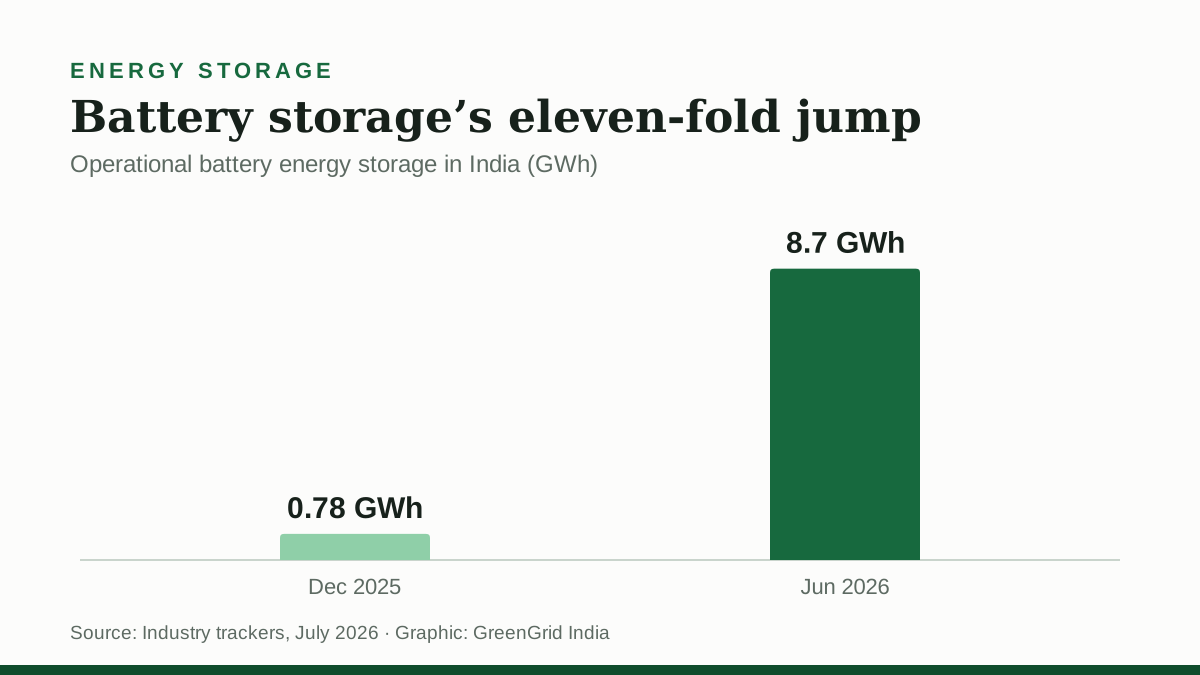
India’s operational battery energy storage system (BESS) capacity jumped from 0.78 GWh in December 2025 to about 8.7 GWh by June 2026 — an eleven-fold increase in six months, as projects awarded over the past two years reached commissioning in quick succession.
And the pipeline behind them is far larger: roughly 10 GW of BESS is under construction, with about 20 GW more in active tendering by central and state agencies.
Why the sudden inflection
Three forces converged:
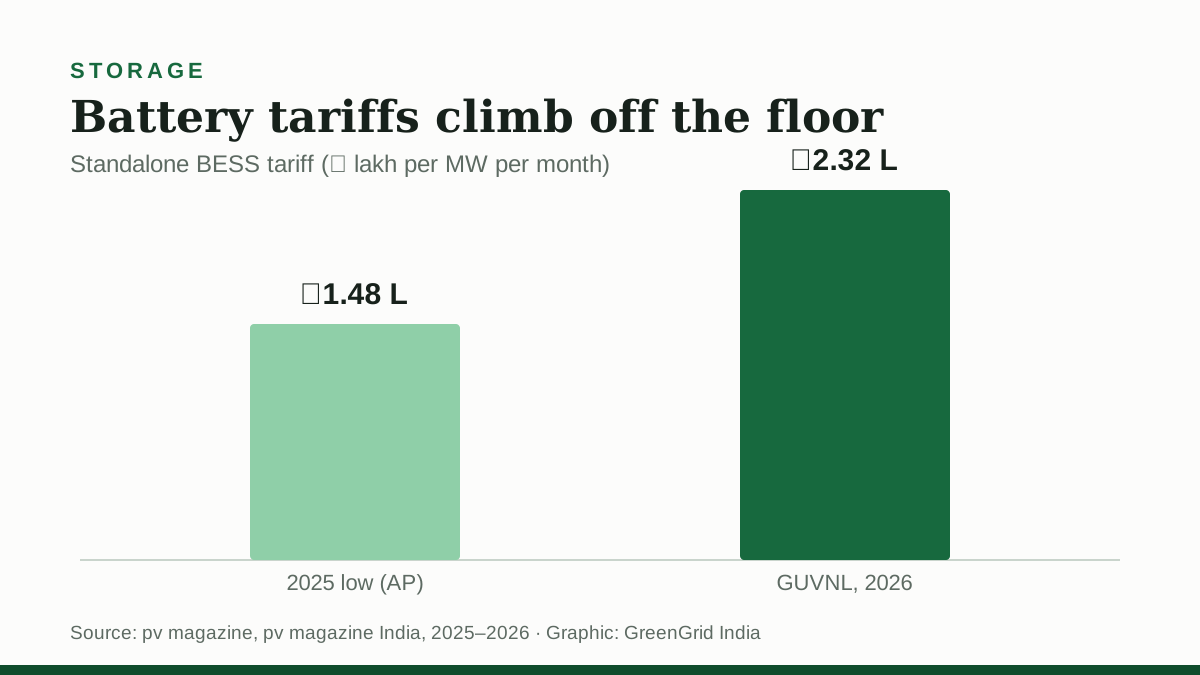
- Tariffs collapsed. Global battery pack prices fell hard through 2024–25, and competitive Indian auctions passed the drop straight through. Storage that looked exotic at ₹10/kWh a few years ago now clears at a fraction of that, and solar-plus-storage bids have begun landing at levels competitive with new coal.
- Regulation caught up. Energy storage obligations for discoms, must-run-style dispatch clarity, and standard bidding documents turned storage from a pilot category into a procurable product.
- The grid needs it. With solar at ~56% of renewable capacity, evening ramps are steepening. Storage is the cheapest new tool to shift solar into the evening peak.
The scale of what’s still required
Sobering context: analyses of India’s 2047 electricity pathway suggest the country’s storage fleet may need to grow several hundred-fold from today’s base. Even the current boom is the on-ramp, not the destination.
For now, the market signals are unambiguous. States from Kerala (750 MW fast-tracked) to Gujarat (storage as a priority sector in its new industrial policy) are leaning in, and manufacturers are scoping domestic cell-to-pack plants. Storage has moved from the appendix of India’s energy transition to its critical path.