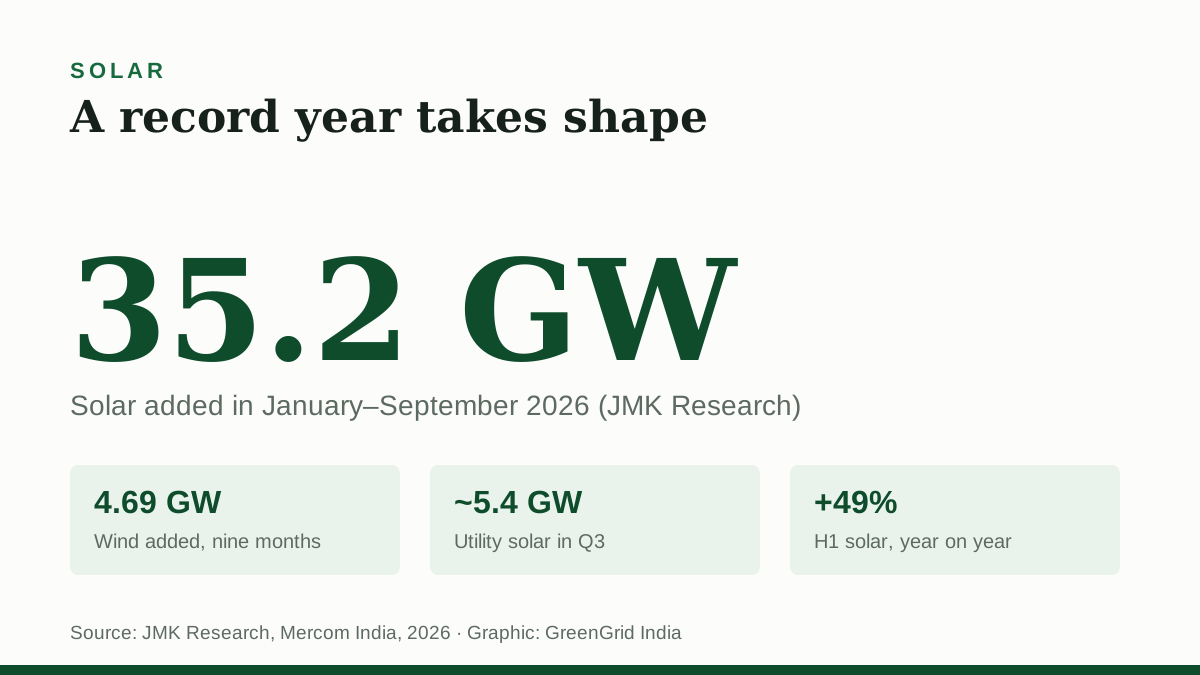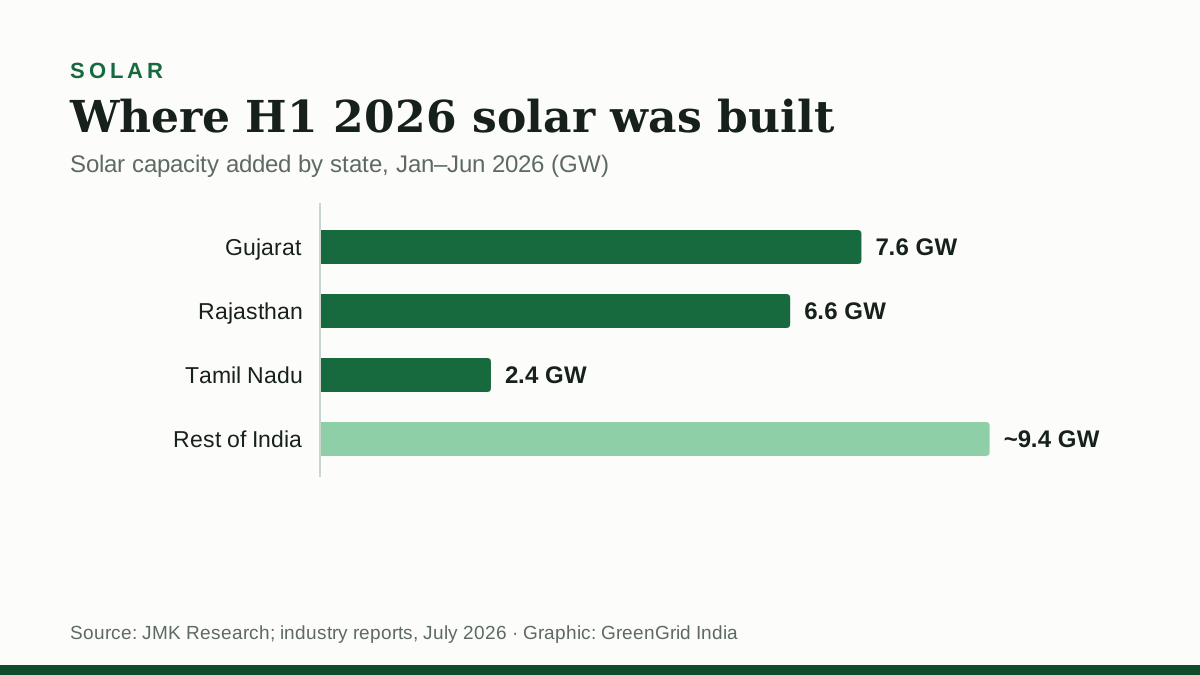
India’s solar build-out is national in ambition but stubbornly regional in fact. Of the ~26 GW of solar capacity added in the first half of 2026, Gujarat contributed about 7.6 GW (29%) and Rajasthan 6.6 GW (25%) — more than half the national total between them. Tamil Nadu, at about 2.4 GW (9%), was the only other state to clear the 2 GW mark.
Why the west wins
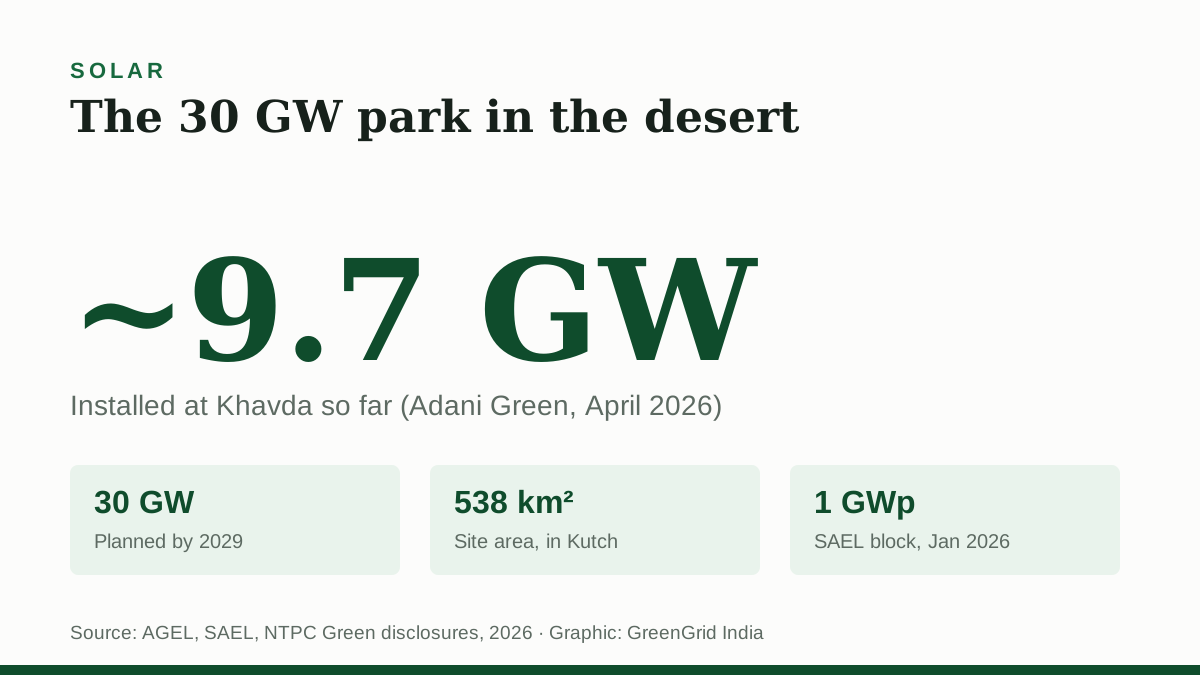
The concentration is no mystery. Gujarat and Rajasthan combine the country’s best irradiance with its largest contiguous tracts of low-cost land, the most developed park infrastructure — Khavda and Bhadla foremost — and state administrations that treat renewable investment as an export industry. Transmission investment has followed the resource: the inter-state network out of the western corridor has absorbed the bulk of recent green energy corridor spending.
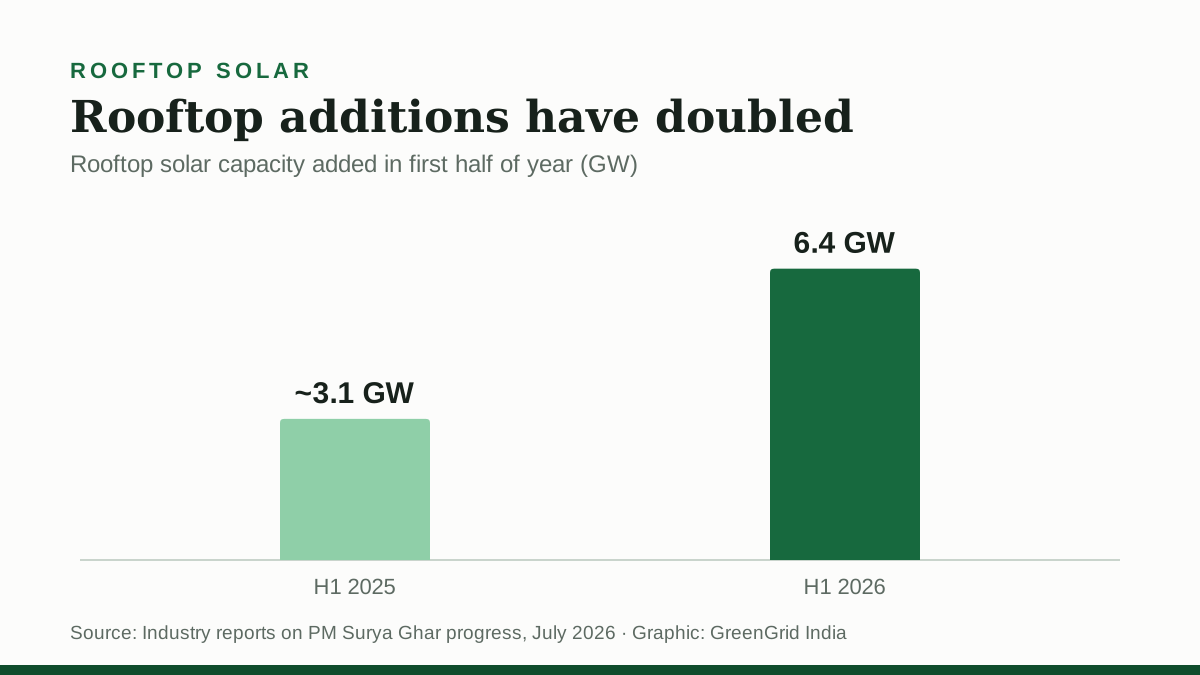
Gujarat’s number also has a distinctive ingredient: rooftop. The state is the runaway leader in PM Surya Ghar residential installations, meaning its H1 figure reflects lakhs of small systems as well as gigawatt-scale parks.
The concentration problem
A build-out this lopsided carries costs:
- Curtailment risk concentrates where generation does; a transmission outage or demand dip in the west ripples through a large share of national solar output.
- The demand map doesn’t match. Load growth is strongest in populous northern and eastern states that are adding comparatively little generation — deepening dependence on long-haul transmission.
- Weather correlation. Solar output across two adjacent desert states rises and falls together, sharpening ramps for the whole grid.
Policy is beginning to respond, with ISTS-connected tenders earmarked for eastern C&I demand (see this week’s SECI-Odisha story) and pumped hydro and BESS build-out in the south. But for now, the sun may shine on all of India — the panels, mostly, face west.