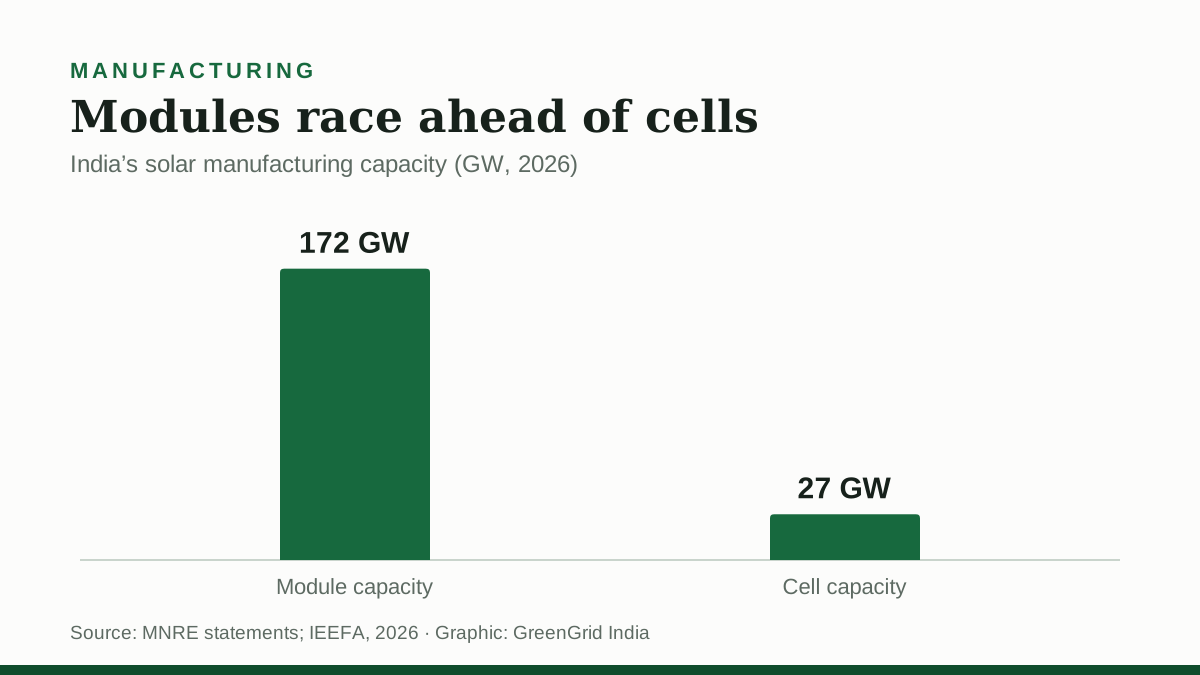
Ten years ago India could assemble about 3 GW of solar modules a year. Today, according to government statements, that figure stands at roughly 172 GW — more than the country’s entire installed solar fleet. By that one measure, India has become the world’s second-largest module manufacturing base.
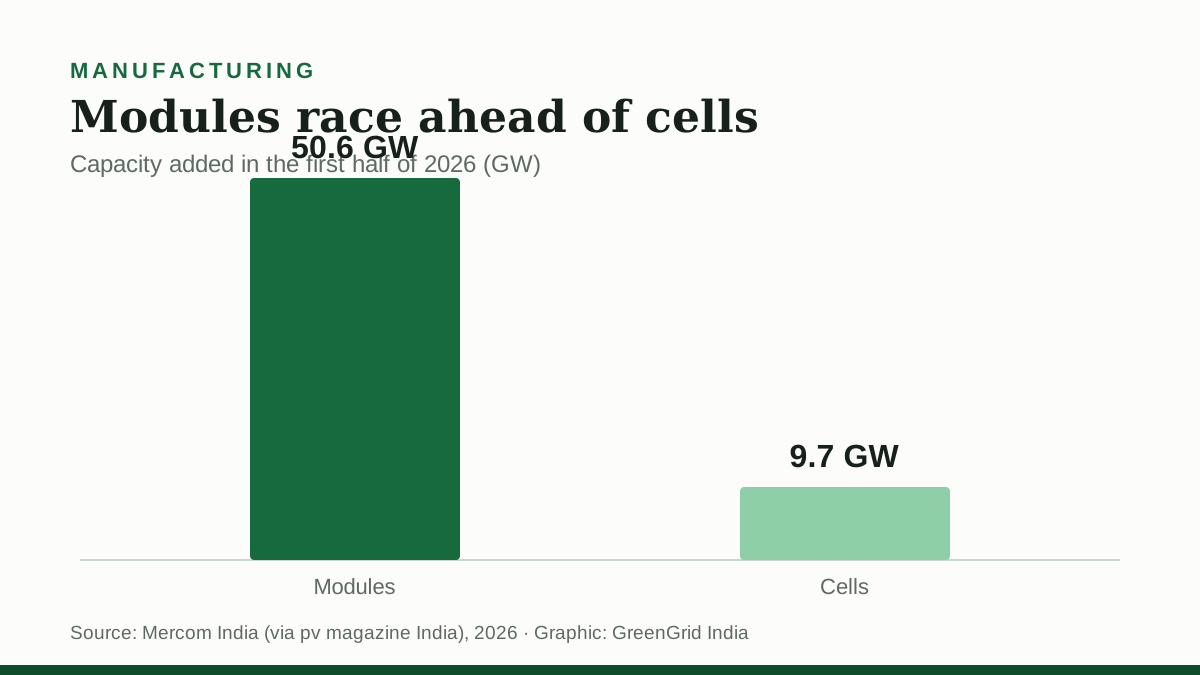
Look one layer deeper, though, and the picture changes. Solar cell capacity is around 27 GW — less than a sixth of module capacity. Wafer and ingot capacity is smaller still, and polysilicon production is only beginning. Indian solar manufacturing, in other words, is an inverted pyramid: widest at the final, least capital-intensive step.
How the gap emerged
Module assembly is the cheapest and fastest layer of the value chain to build — a line can be up in under a year at a fraction of the capital cost per GW of a cell fab. Early policy (ALMM List-I) protected modules only, so investment poured into assembly while cells continued to arrive by ship, mostly from China.
The policy stack has since shifted to push investment deeper:
- PLI incentives reward integrated manufacturing across polysilicon-to-module;
- ALMM List-II, in force since June 2026, extends domestic-content rules to cells;
- Import duties keep a floor under domestic pricing.
What to watch
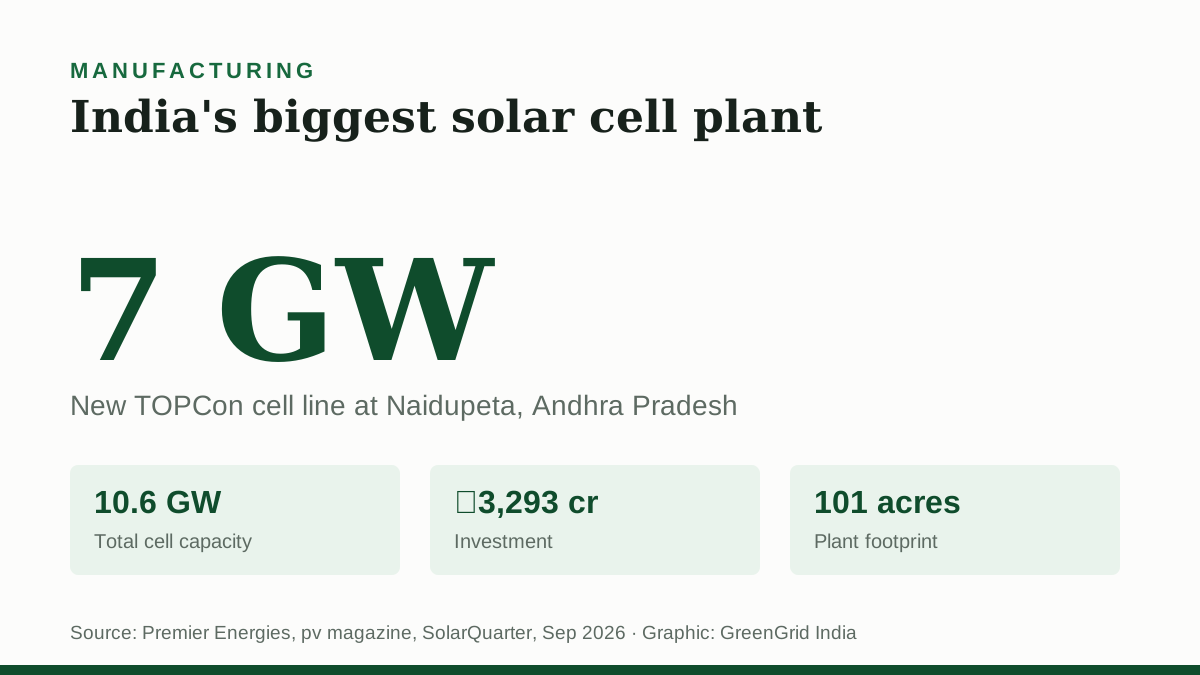
The result is a build-out unlike anything the sector has seen: integrated gigafactories under construction across Gujarat, Tamil Nadu, Madhya Pradesh and elsewhere, and technology leapfrogging from older PERC lines straight to TOPCon and heterojunction cells. Component makers are following — encapsulant films, glass, frames and backsheets are all seeing fresh investment (see our story on the Navurja encapsulant facility near Bhopal).
The risks are real too: analysts have flagged looming overcapacity in module assembly, price pressure from a heavily oversupplied global market, and the technical challenge of running cell fabs at competitive yields. The next two years will show whether India’s cell base can grow into its module hat.