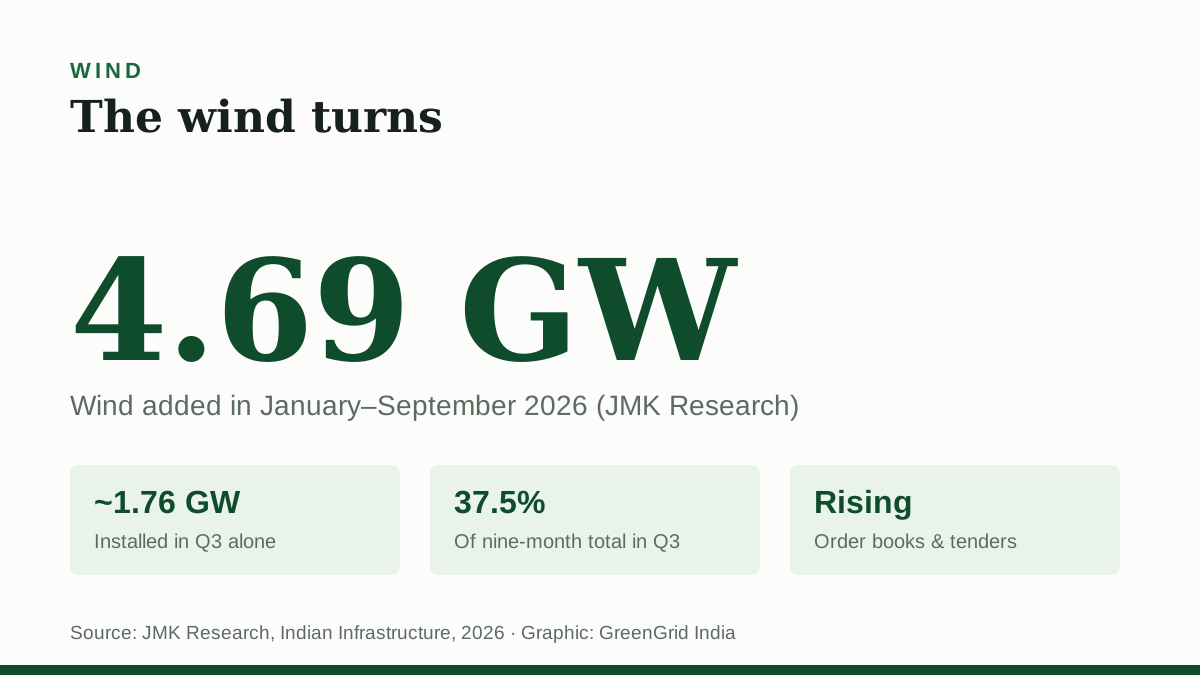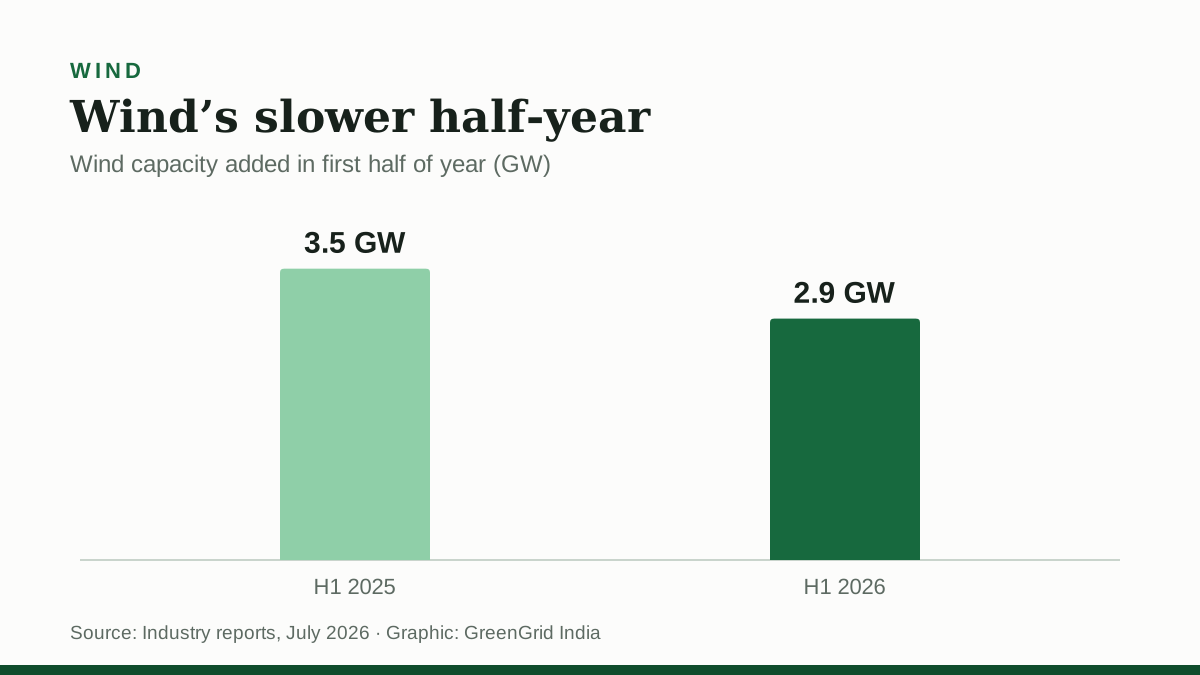
Amid the celebration of India’s record 29 GW half-year, one number moved the wrong way: wind additions fell about 16%, to roughly 2.9 GW in H1 2026 from 3.5 GW in the same period last year.
Wind now supplies around 20% of India’s ~288 GW renewable fleet, and its share is shrinking as solar compounds. The slowdown matters more than its size suggests, because wind’s generation profile — stronger in the evening and through the monsoon months when solar sags — is precisely what a solar-heavy grid needs.
What’s holding wind back
The industry’s diagnosis is consistent across recent quarters:
- Sites are harder. The windiest, easiest land in Tamil Nadu, Gujarat and Karnataka was developed first. What remains is windier on paper than in practice — or tangled in land and forest clearances.
- Execution bottlenecks. Turbine supply has tightened as OEMs work through order books, and connectivity timelines for new substations continue to slip.
- Auction design. Plain-vanilla wind tenders have seen tepid response for years; developers prefer hybrid and firm-and-dispatchable (FDRE) formats where wind is bundled with solar and storage.
The counterweights
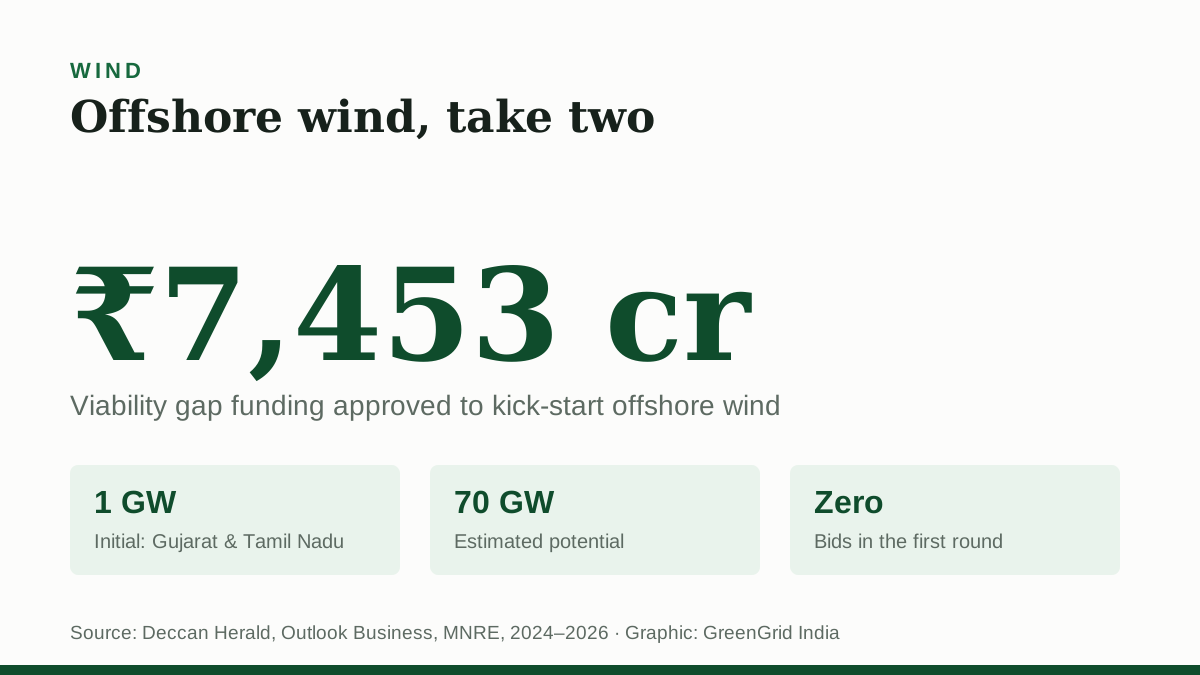
It is not all gloom. FDRE and hybrid tenders are quietly pulling wind back into the pipeline, since firm-power products are nearly impossible to construct without it. Repowering policy for ageing turbine fleets on prime sites offers a further lever, and the offshore wind programme — with seabed leases off Tamil Nadu and Gujarat — is inching from paperwork toward projects.
But the arithmetic is unforgiving: reaching India’s 2030 wind ambitions implies annual additions well above the current run-rate. If solar’s record half showed what aligned policy and economics can deliver, wind’s soft half is a reminder of what happens when they aren’t.